

Building your dream home begins with one crucial decision—choosing the right plot size and layout. The land you select will determine everything from your house design and construction cost to long-term comfort and value. Whether you’re searching for a residential plot in Chennai or planning a custom villa elsewhere in India, this comprehensive guide will help you understand all the key factors to consider for making the best investment.
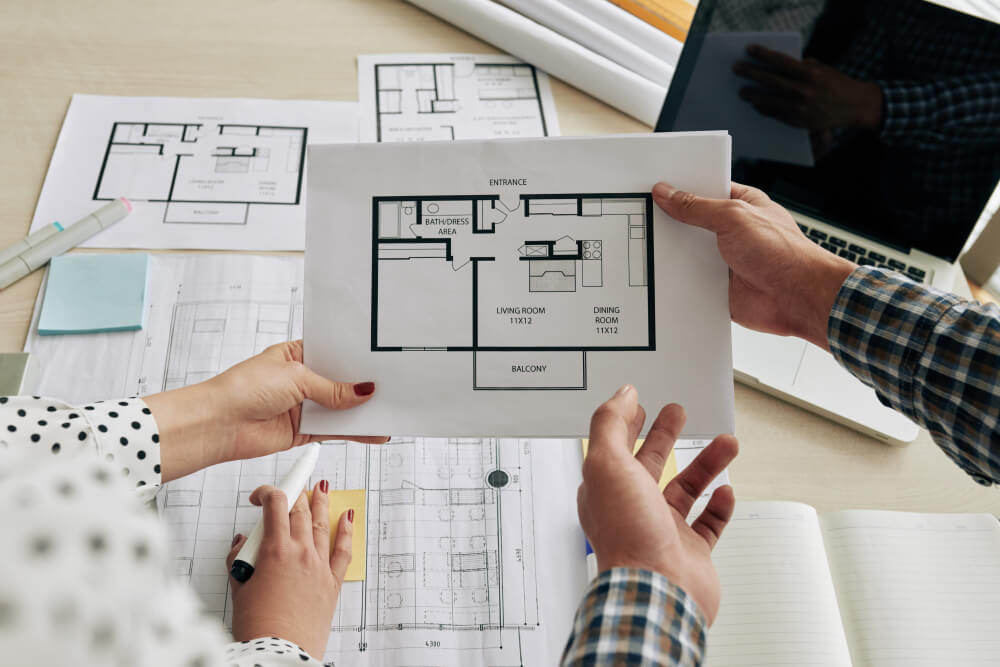
Table of Contents
Deciding the Ideal Plot Size
a) Family Needs & Lifestyle
- Start by estimating your required built-up area (total floor area).
- For a typical 3BHK Indian home, a plot size of 1200–2400 sqft is popular.
- Consider future needs: Will you want extra rooms, a home office, or space for elderly parents?
b) Local Building Regulations
- Check local development authority norms for minimum plot size, setbacks, and permissible Floor Area Ratio (FAR).
- For example, in Chennai, the minimum plot width is often 20 ft, but regulations may vary by locality.
c) Plot Shape and Dimensions
- Rectangular plots (with a 1:1.5 or 1:2 ratio) are generally more efficient for construction and Vastu.
- Avoid irregular, narrow, or triangular plots unless a creative architectural solution is possible.
Importance of Plot Orientation & Vastu
North and east facing plots are preferred for maximum sunlight and positive Vastu energy.
For tropical Indian climates, ventilation and natural light are crucial—check for open spaces on the north/east.
Assess access roads and main gate orientation—these impact both functionality and Vastu compliance.
Evaluating the Plot Location
- Proximity to schools, hospitals, daily needs, and your workplace is vital.
- Check for availability of water, power, sewage, and internet connectivity.
- Investigate the neighborhood’s safety, green cover, and long-term appreciation potential.
Considering Site Topography and Soil Condition
Avoid low-lying or waterlogged sites to minimize flooding risks and extra foundation costs.
Request a soil test to ensure the land is suitable for safe and stable construction.
Slightly elevated plots with gentle slopes provide better drainage and curb appeal.
Planning the Layout: Maximizing Space and Functionality
a) Zoning
- Separate private (bedrooms), semi-private (living, dining), and service (kitchen, utility) areas for privacy and smooth circulation.
b) Setbacks and Open Spaces
- Leave enough setbacks as per regulations—for ventilation, light, and possible landscaping or parking.
- Plan for a garden, backyard, or terrace if you desire outdoor living.
c) Expansion and Future-Proofing
- Design your house layout for possible vertical expansion (additional floors) or flexible room conversions.
Common Mistakes to Avoid
- Choosing a plot only based on price, ignoring orientation or legal issues.
- Overlooking legal due diligence—always verify the land title, clearances, and approvals.
- Failing to consider long-term needs—plan for changing family dynamics and future technology.
Consulting with Experts
- Work with a qualified architect or builder who can evaluate the plot, interpret regulations, and create the best floor plan for your needs.
- Companies like Dezine and Build offer site visits and custom layout planning to maximize your investment and comfort.
Conclusion
Selecting the right plot size and layout is the foundation for your dream home’s success. By considering family needs, local norms, Vastu, location, and expert input, you can make a smart, future-ready decision. For a hassle-free plot selection and home design experience in Chennai and across India, reach out to Dezine and Build for professional guidance every step of the way.